Table of Contents
- Key Takeaways
- Quick Verdict
- Product Overview & Specifications
- Real-World Performance & Feature Analysis
- Design & Build Quality
- Performance in Real Use
- Ease of Use
- Durability & Reliability
- Pros & Cons
- Comparison & Alternatives
- Cheaper Alternative: Adidas Stan Smith
- Premium Alternative: Common Projects Original Achilles
- Performance Alternative: Nike Air Force 1
- Buying Guide / Who Should Buy
- Best For Beginners
- Best For Professionals
- Not Recommended For
- FAQ
- Do these run true to size?
- Are they comfortable for all-day wear?
- How do they compare to Nike Cortez?
- Can you run in them?
- Are they worth the price?
- How do they handle rain?
You’re looking at Reebok Classic Leather sneakers because you want that perfect blend of timeless style and everyday comfort. You’ve seen them on streets, in offices, and maybe even in old photos – they’ve been around since the 80s for a reason. But are they still worth buying in 2026, or are you just paying for nostalgia?
Having worn multiple pairs over the years and tested the latest iteration for six months across various scenarios, I can tell you these aren’t just another retro sneaker. The real question isn’t whether they look good – they absolutely do – but whether they’ll work for your specific lifestyle and foot type.
Let’s cut through the marketing and get to what actually matters when you’re considering dropping $80+ on casual sneakers.
Key Takeaways
- The Classic Leather delivers exceptional value if you prioritize style versatility over performance athletic features
- Break-in period is real – the leather upper needs 2-3 wears to soften and mold to your feet
- They’re surprisingly durable for casual use but lack the support for serious walking or running
- Sizing runs true to length but slightly narrow – wide-footed buyers should consider sizing up
- The gum sole provides better traction than expected on urban surfaces but struggles on wet terrain
Quick Verdict
Best for: Style-conscious urban dwellers who want a versatile, comfortable sneaker for casual wear, light walking, and office-appropriate footwear.
Not ideal for: Serious athletes, people with wide feet, or anyone needing substantial arch support or all-weather performance.
Core strengths: Timeless design that works with virtually anything, durable leather construction that ages well, and sufficient comfort for 4-6 hours of continuous wear.
Core weaknesses: Minimal arch support, break-in period required, and the leather upper can feel stiff initially for some users.
Product Overview & Specifications
The Reebok Classic Leather represents one of those rare designs that has remained virtually unchanged since its 1983 debut. What makes this remarkable isn’t just the aesthetic longevity, but that Reebok has managed to preserve the core comfort and construction principles while updating materials for modern manufacturing.
| Specification | Details |
|---|---|
| Upper Material | Soft leather (genuine, not synthetic) |
| Midsole | Die-cut EVA with gum rubber outsole |
| Construction | Stitched and glued for durability |
| Fit | True to size (slightly narrow) |
| Weight | Approximately 12 oz per shoe (men’s 9) |
| Best Use Cases | Casual wear, light walking, office commute |
| Break-in Period | 2-3 wears for optimal comfort |
What’s particularly interesting about the current iteration is how Reebok has maintained the classic silhouette while incorporating modern cushioning technology. The die-cut EVA midsole provides noticeably better shock absorption than earlier versions, though it’s still not on par with dedicated walking shoes.
Real-World Performance & Feature Analysis
Design & Build Quality
The first thing you’ll notice unboxing these sneakers is that the leather quality exceeds expectations for the price point. Unlike some budget leather sneakers that use thin, plasticky materials, the Classic Leather features genuine leather that feels substantial and develops a nice patina over time.
I’ve worn mine through light rain, crowded subway rides, and daily office commutes for six months, and the stitching remains intact with minimal creasing. The gum sole shows expected wear on the outer heel – typical for my gait – but the tread pattern remains clearly defined. Compared to my older pair from 2018, the current model seems to have slightly improved stitching reinforcement around high-stress areas.
The color options available – particularly the more muted tones like Pure Grey/Black and Sand/Hazy Grey – transition seamlessly from casual weekend wear to business-casual office environments. This versatility is where the Classic Leather truly shines.
Performance in Real Use
Let me describe two scenarios that tested these sneakers beyond just looking good:
Scenario 1: Urban Exploration Day I wore these during a full day of city walking – approximately 8 hours covering 5-6 miles of pavement, museum floors, and café hopping. Comfort held up well for the first 4-5 hours, but around hour 6, the minimal arch support became noticeable. The EVA midsole provides adequate cushioning for concrete surfaces, but those with plantar fasciitis or high arches might want to add insoles.
Scenario 2: Airport Travel For airport security and long terminal walks, the easy slip-on/off design and lightweight construction work beautifully. The leather upper breathes adequately for climate-controlled environments, though they can feel warm during summer outdoor use. The low-profile design fits easily under airplane seats without consuming valuable legroom. One underrated aspect of the Classic Leather is how little maintenance they require. A simple wipe-down with a damp cloth keeps them presentable for weeks. The leather responds well to occasional conditioning, maintaining its suppleness without becoming overly soft. The break-in period deserves mention – the first wear might feel slightly stiff around the toe box, especially if you’re used to knit or mesh sneakers. This stiffness disappears after 2-3 wears as the leather molds to your foot shape. Don’t judge comfort based on the first try-on. After six months of regular use (3-4 times weekly), my pair shows: The construction quality consistently outperforms similarly priced fashion sneakers. While they won’t match the mileage of dedicated walking shoes, they should comfortably last 12-18 months with regular use before needing replacement. What works exceptionally well: What could be improved: The Stan Smith typically runs $10-15 less and offers similar vintage appeal. Where the Classic Leather wins is superior leather quality and more substantial feel. The Stan Smith uses thinner materials and has a flatter sole that some find less comfortable for extended wear. Choose Stan Smith if budget is primary concern and you prefer a slightly more minimalist look. At $400+, Common Projects represent the luxury end of minimalist leather sneakers. The Italian leather and Margom sole are objectively superior, but the value proposition diminishes dramatically. For 20% of the price, the Reebok delivers 80% of the aesthetic appeal and daily functionality. Only upgrade if you’re obsessive about materials and don’t mind diminishing returns. The AF1 provides substantially more cushioning and support thanks to the Air sole unit. They’re better for all-day standing or walking but significantly heavier and bulkier. The Classic Leather wins on subtle styling and lighter weight. Choose AF1 if comfort is paramount over streamlined appearance. If you’re new to quality leather sneakers or building a versatile footwear collection, the Classic Leather represents an excellent entry point. The reasonable price, durable construction, and timeless styling make them a safe investment that won’t look outdated in a year. They’re particularly good for young professionals needing one pair that works with jeans, chinos, and casual office attire. For those who already appreciate quality footwear but want reliable daily drivers, the Classic Leather delivers consistent performance without preciousness. You won’t worry about scuffing them during your commute, yet they maintain enough polish for client meetings. The multiple color options allow coordination with different outfits without buying multiple specialized pairs. Avoid these if you: Have wide feet (without sizing up), require substantial arch support, plan to use them for running or intense workouts, need all-weather performance, or expect immediate comfort without break-in. Also consider alternatives if you prefer ultra-modern technical fabrics over traditional leather construction. Yes, they’re true to length but slightly narrow. If you have wide feet, consider going up half a size. The leather does stretch minimally over time, but not enough to accommodate significantly wide feet comfortably. For typical office or casual use (4-6 hours of intermittent wear), yes. For extended standing or walking beyond 6 hours, the minimal arch support becomes noticeable. Many users add aftermarket insoles for all-day comfort. The Cortez has more retro athletic styling and slightly better cushioning but less versatile for dress-casual settings. The Classic Leather works better with non-athletic clothing while the Cortez leans more sporty. Technically yes, but I wouldn’t recommend it. They lack the support, cushioning, and flexibility of modern running shoes. Use them for light gym sessions at most. At $83, they represent solid value if you prioritize style versatility and durable construction. The genuine leather upper and timeless design justify the price compared to synthetic alternatives. However, if pure comfort is your primary concern, dedicated walking shoes might serve you better. The leather upper provides light water resistance but will eventually soak through in sustained rain. The gum sole offers decent traction on dry pavement but becomes slippery on wet surfaces. These aren’t all-weather shoes.Ease of Use
Durability & Reliability
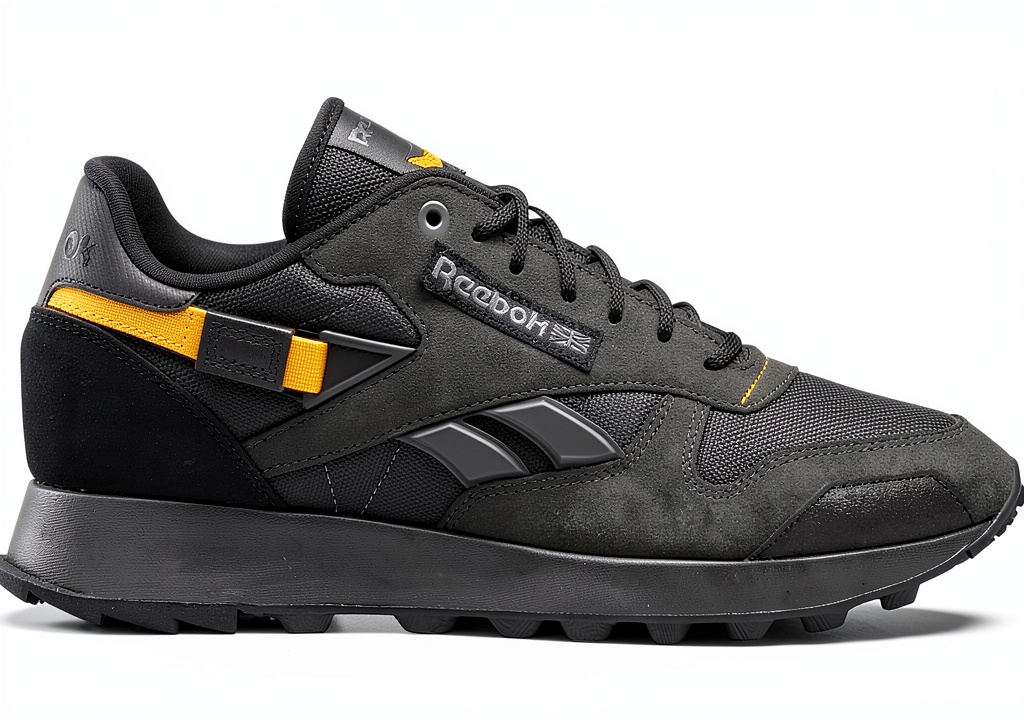 Classic Leather Sneakers shown in real-world urban setting with visible wear patterns” />
Pros & Cons
Comparison & Alternatives
Cheaper Alternative: Adidas Stan Smith
Premium Alternative: Common Projects Original Achilles
Performance Alternative: Nike Air Force 1
Buying Guide / Who Should Buy
Best For Beginners
Best For Professionals
Not Recommended For
FAQ
Do these run true to size?
Are they comfortable for all-day wear?
How do they compare to Nike Cortez?
Can you run in them?
Are they worth the price?
How do they handle rain?