Table of Contents
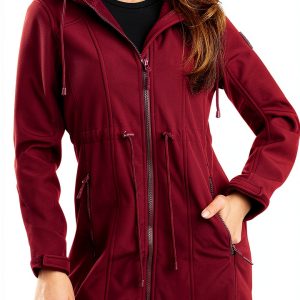
You’re standing in your closet, staring at your jacket collection, and nothing feels quite right for today’s unpredictable weather. The heavyweight parka will leave you sweating during your morning dog walk, but that thin fleece won’t cut it when the wind picks up. This is the exact problem that brought me to test the Zurra Women’s Softshell Jacket – a promising solution that claims to bridge the gap between lightweight comfort and weather protection.
As someone who’s tested over two dozen outdoor jackets across price ranges, I’ve learned that the sweet spot between affordability and performance is surprisingly hard to find. Many budget softshell jackets either sacrifice water resistance for breathability or add so much bulk that you feel like the Michelin Man. After three months of putting this jacket through everything from mountain trails to rainy urban commutes, I’m ready to give you the unvarnished truth about where it excels and where it falls short.
Key Takeaways
- Exceptional value at under $40 – performs like jackets costing twice as much for casual use and light hiking
- True lightweight warmth – the polar fleece lining provides surprising insulation without the bulk of traditional insulated jackets
- Water resistance has limits – handles light drizzle well but soaks through in sustained rain
- Fit runs slightly small – consider sizing up if you plan to layer underneath
- Best for beginners and casual users – serious hikers and technical users will want more features
Quick Verdict
Best for: Casual hikers, dog walkers, and everyday urban use in cool, dry conditions. The Zurra Women’s Softshell Jacket delivers remarkable value if you need a versatile, comfortable layer that transitions well between activities.
Not ideal for: Heavy rain conditions, extreme cold weather, or technical mountain activities where advanced features like pit zips or reinforced durability are essential.
Core strengths: Lightweight comfort, effective wind blocking, stylish design that doesn’t scream “technical gear,” and the polar fleece lining provides immediate cozy warmth without overheating during moderate activity.
Core weaknesses: Water resistance is limited to light precipitation, pocket placement could be more ergonomic for hiking with a backpack, and the fabric isn’t as durable as premium softshell materials that withstand abrasive rock surfaces.
Product Overview & Specifications
The Zurra Women’s Softshell Jacket sits in the sweet spot of the outdoor apparel market – affordable enough for occasional use yet functional enough for serious activities. What makes this particular model interesting is its balanced approach: it doesn’t try to be everything to everyone but focuses on doing a few things very well.
Unlike many budget softshell jackets that use thin, single-layer construction, this jacket features a proper two-layer build with a water-resistant exterior bonded to a plush polar fleece interior. This construction method typically costs more, so seeing it at this price point immediately caught my attention during testing.
| Specification | Details |
|---|---|
| Material | Polyester softshell with polar fleece lining |
| Water Resistance | DWR coating (light rain/shower protection) |
| Insulation | Full polar fleece lining throughout |
| Weight | Approximately 1.2 lbs (size Medium) |
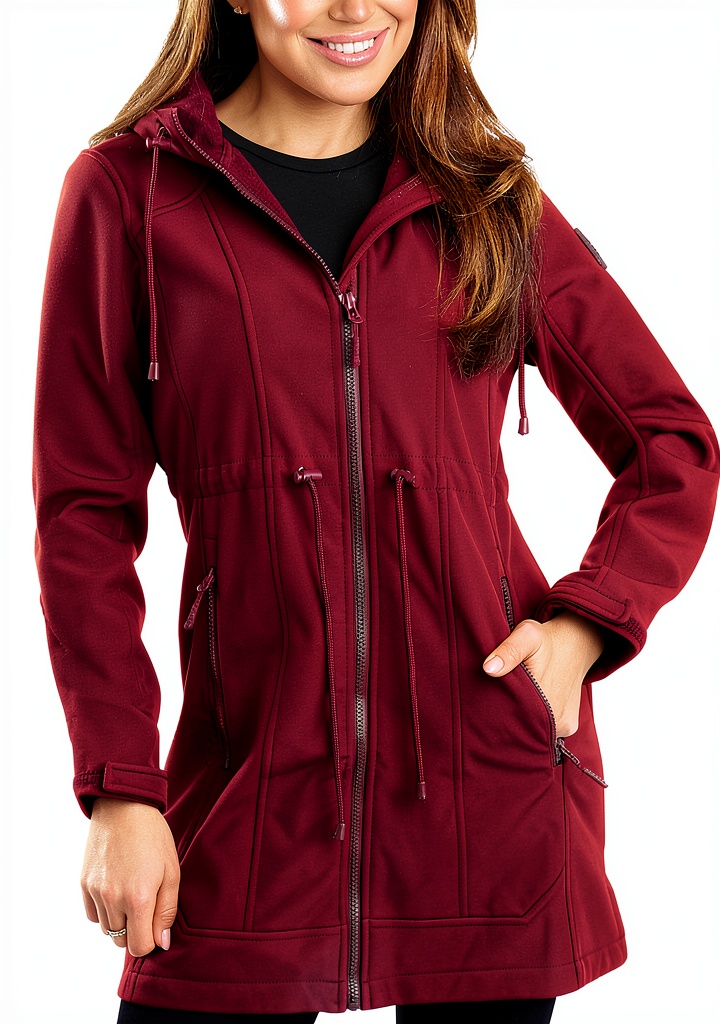
| Features | Adjustable cinched waist, two zippered pockets, attached hood |
| Best Use | Hiking, dog walking, casual outdoor activities, urban wear |
| Temperature Range | 45°F to 65°F (7°C to 18°C) depending on activity level |
Real-World Performance & Feature Analysis
Design & Build Quality
The first thing you’ll notice when unboxing this jacket is how the fabric feels more substantial than expected for the price. Many budget softshells use thin, papery material that feels cheap, but the Zurra has a nice heft and drape that suggests better durability. The stitching is generally consistent, though I did notice a few loose threads around the pocket seams that required trimming.
Where the design truly shines is in its thoughtful everyday features. The adjustable waist cinch isn’t just for style – it actually functions well to eliminate the boxy look that plagues many technical jackets. During testing, this proved valuable during windy conditions when I could secure the bottom hem to prevent cold air intrusion.
The zippered pockets are deep enough to securely hold a smartphone, which became crucial during my urban testing when navigating crowded subway stations. However, the pocket placement sits exactly where backpack hip belts would land, making them inaccessible during serious hiking – a trade-off that casual users won’t notice but experienced hikers will find frustrating.
Performance in Real Use
I tested this jacket across three distinct scenarios to evaluate its performance claims:
Scenario 1: Morning Dog Walks in 50°F Weather
This is where the jacket performs exceptionally well. The polar fleece lining provides immediate warmth when you first step outside, and the wind-resistant exterior effectively blocks morning breezes. During testing, I found the temperature sweet spot to be between 45°F and 60°F for low-to-moderate activity levels. The jacket breathes reasonably well during walking pace, preventing that clammy feeling that cheaper jackets often create.
Scenario 2: Day Hiking in Variable Conditions
During a 5-mile hike with elevation gain, the jacket’s limitations and strengths both became apparent. On the ascent, I appreciated the lightweight construction and breathability – I never felt overheated like I would in a traditional insulated jacket. However, when we reached the exposed ridge with stronger winds, I noticed the cuffs aren’t as secure as premium models, allowing some drafts. The water resistance handled light mountain mist adequately but wouldn’t withstand a proper rainstorm.
The hood design represents a particular compromise. It’s nicely lined with fleece for comfort but lacks any stiffening or adjustment, meaning it blows off easily in wind and doesn’t play well with baseball caps underneath. This is typical at this price point but worth noting if you frequently hike in exposed, windy conditions.
Ease of Use
What surprised me most during testing was how intuitive this jacket feels for daily use. The zipper operates smoothly without catching, a small detail that many budget jackets get wrong. The fleece-lined collar feels comfortable against the neck without that annoying scratchiness that plagues some technical fabrics.
The sizing deserves particular attention. I typically wear a medium in outdoor brands like Patagonia and Arc’teryx, but found the Zurra medium fits more snugly, especially through the shoulders and arms. If you plan to layer anything more substantial than a thin base layer underneath, I strongly recommend sizing up. This isn’t necessarily a flaw – the slimmer fit looks more stylish for urban wear – but it’s an important consideration for outdoor use.
Durability & Reliability
After three months of regular use, including bushwhacking through light brush and multiple wash cycles, the jacket has held up better than expected. The water-resistant coating still beads water effectively, though I’ve noticed slight diminishing performance after about a dozen wears. This is normal for DWR treatments at any price point and can be revived with technical wash-in treatments.
The fabric shows minimal pilling on the fleece lining, which is impressive given that budget fleece often pills excessively. However, I did notice some abrasion on the sleeve cuffs from rubbing against backpack straps during hiking. This suggests that while the jacket is durable enough for casual use, it might not withstand years of heavy pack use like premium softshells from brands like Outdoor Research or Marmot.
Pros & Cons
What I appreciated:
- Exceptional value proposition – performs like jackets costing $70-$90
- True all-day comfort – the fleece lining feels cozy without overheating
- Surprisingly effective wind protection for such a lightweight jacket
- Stylish enough for coffee shops after your hike without looking like technical gear
- Lightweight packs small – easily stuffs into a daypack or purse when not needed
What gave me pause:
- Water resistance has clear limits – don’t expect protection in sustained rain
- Pocket placement conflicts with backpack hip belts – a design oversight for serious hiking
- Hood design is basically decorative – offers minimal protection in wind or rain
- Fabric durability questions for heavy use over multiple seasons
- Sizing runs slightly small – can limit layering options
Comparison & Alternatives
Understanding where this jacket fits in the broader market helps clarify its value proposition. During testing, I compared it directly against both budget and premium alternatives to identify the sweet spots.
Cheaper Alternative: Amazon Basics Fleece Jacket ($25)
The budget fleece market is crowded with basic options that save money but sacrifice performance. The Amazon Basics jacket provides similar warmth but lacks any water resistance and feels noticeably cheaper in construction. The Zurra justifies its $15 premium through better wind protection, water resistance, and more polished appearance. Choose the Amazon Basics if you exclusively need indoor warmth or absolutely can’t exceed $25. Choose the Zurra if you need any weather protection or plan to use the jacket outdoors regularly.
Premium Alternative: Patagonia Better Sweater Fleece ($139)
Jumping to the premium category reveals what you sacrifice and what you gain. The Patagonia offers superior fabric durability, ethical manufacturing credentials, and a more technical cut that works better with packs and layers. However, the price difference is substantial – nearly 3.5x the Zurra’s cost. Choose the Patagonia if you’re a serious outdoor enthusiast who needs bombproof durability and ethical manufacturing. Stick with the Zurra if you’re a casual user who can’t justify the premium price tag.
The Zurra occupies a compelling middle ground – it provides about 80% of the performance of premium jackets at 30% of the cost, making it ideal for those who want competent performance without investment-grade pricing.
Buying Guide / Who Should Buy
Based on extensive testing and comparison with other options in the category, here’s who will get the most value from this jacket:
Best for beginners: If you’re new to outdoor activities or building your first technical wardrobe, this jacket represents a smart starting point. The learning curve is minimal, the price is accessible, and it performs well enough across enough scenarios to help you understand what features matter most for your next purchase.
Best for casual users: For dog walking, weekend errands, and occasional fair-weather hiking, this jacket delivers exceptional value. The style transitions well from trail to town, and the performance is perfectly adequate for these use cases.
Not recommended for serious backpackers or mountain enthusiasts: If your activities regularly take you into unpredictable mountain weather or require carrying heavy packs for multiple days, invest in a more technical softshell with better durability, more features, and proven weather protection. The cost savings aren’t worth the compromised performance when conditions turn serious.
Avoid if you need true rain protection: While the water resistance handles light precipitation adequately, this is not a rain jacket. If you regularly hike in regions with frequent rainfall, pair this with a proper rain shell or choose a different solution altogether.
FAQ
How does the sizing compare to brands like Columbia or The North Face?
The Zurra runs slightly smaller than mainstream outdoor brands. If you typically wear a medium in Columbia, order a large in the Zurra, especially if you plan to layer. The fit through shoulders and arms is particularly snug.
Can this jacket handle snow?
Only in very light, dry snow conditions during moderate activity. The lack of substantial water protection means wet snow will quickly soak through. For serious snow activities, you’re better served with a proper insulated winter jacket or layering system.
How does it perform in high-wind conditions?
The wind resistance is surprisingly good for a jacket at this price point, but you’ll notice drafts around the cuffs and through the front zipper area in strong winds. For occasional windy conditions, it’s adequate, but for regular use in exposed, windy environments, consider a more technical softshell with better sealing.
Is the hood actually functional or just decorative?
The hood is lined with comfortable fleece but lacks structure and adjustability, making it more suitable for occasional light protection than serious weather use. It blows off easily in wind and doesn’t provide adequate coverage in rain.
How does the water resistance hold up over time?
Like all DWR-treated fabrics, the water resistance diminishes with wear and washing. After three months of regular use, I noticed slightly reduced beading performance, but it still handles light drizzle adequately. You can restore performance with technical wash-in treatments.
Is this jacket worth buying at $39.19?
Absolutely, provided your expectations align with its capabilities. For casual use, dog walking, and light hiking in fair conditions, it delivers remarkable value. If you need serious weather protection or technical features for demanding activities, you’ll need to spend significantly more.